
(Before Hosting a Meeting, Incentive Trip, or MICE Event)
Vietnam has become one of Southeast Asia’s most dynamic destinations for corporate travel, incentive programs, and MICE events. Strong economic growth, a young workforce, competitive costs, and improving infrastructure make it increasingly attractive to international companies.
Yet many business visitors encounter friction, not because of logistics, but because of misread social cues.
Vietnam is not a rule-based culture. It is a relationship-based system, guided by context, hierarchy, and subtle signals rather than explicit instructions. Understanding the unspoken rules of Vietnam is not cultural trivia-it is operational intelligence.
Within the first few days, these unwritten norms influence:
- How meetings flow
- How decisions are communicated
- How trust is built (or quietly stalled)
- How your presence is interpreted
For corporate planners and MICE organizers working with local partners or hosting executive-level programs, aligning with these cultural mechanics is essential. That alignment often starts with choosing the right local partner-many organizations rely on a vietnam local tour package designed specifically for corporate and incentive travel to bridge cultural and operational gaps.
Below are eight unspoken rules of Vietnam every corporate traveler should understand, especially when business outcomes matter.
Rule #1: Relationships Precede Transactions

(Even When the Agenda Says Otherwise)
In Vietnam, business does not begin with contracts. It begins with rapport.
A first meeting may appear informal, slow, or indirect to Western executives accustomed to efficiency-driven interactions. But this is not a lack of seriousness-it is due diligence through relationship-building.
Small talk, shared meals, and coffee meetings are not preliminaries. They are part of the evaluation process. Trust is assessed before competence is fully tested.
Ignoring this rhythm can create resistance later, even if all commercial terms are sound. Successful corporate engagements in Vietnam allow time for familiarity to form-especially in MICE programs where local stakeholders play visible roles.
This is one of the most fundamental unspoken rules of Vietnam:
If the relationship feels rushed, the deal quietly slows down.
Rule #2: “Yes” Rarely Means Full Agreement
Vietnamese business communication avoids direct refusal. Saying “no” too openly can feel confrontational or disrespectful, particularly in hierarchical or group settings.
As a result, corporate travelers may hear:
- “We will consider this.”
- “That could be possible.”
- “Let us check internally.”
These phrases do not always indicate progress. Often, they signal polite hesitation or unresolved internal consensus.
Reading tone, follow-up behavior, and timing is more important than the literal words used. Silence after a meeting can be more informative than verbal feedback during it.
This unspoken rule of Vietnam is especially relevant for:
- Negotiations
- Vendor selection
- Event approvals
- Program changes during MICE execution
Experienced local partners help interpret these signals, preventing false assumptions that can derail timelines.
Rule #3: Hierarchy Is Quiet-but Decisive

Vietnamese workplaces are structured, even when they appear relaxed.
Decision-making authority often sits higher than the most vocal person in the room. A junior team member may lead discussions fluently, but final approval typically comes from a senior figure who may observe quietly-or not attend at all.
Publicly challenging someone senior, or pushing for immediate decisions in group meetings, can cause loss of face and long-term discomfort.
Among the most important unspoken rules of Vietnam in corporate settings:
Respect hierarchy without spotlighting it.
Successful MICE planners design interactions that allow senior stakeholders to save face, reflect privately, and decide without pressure.
Rule #4: Coffee Is a Business Tool, Not a Break
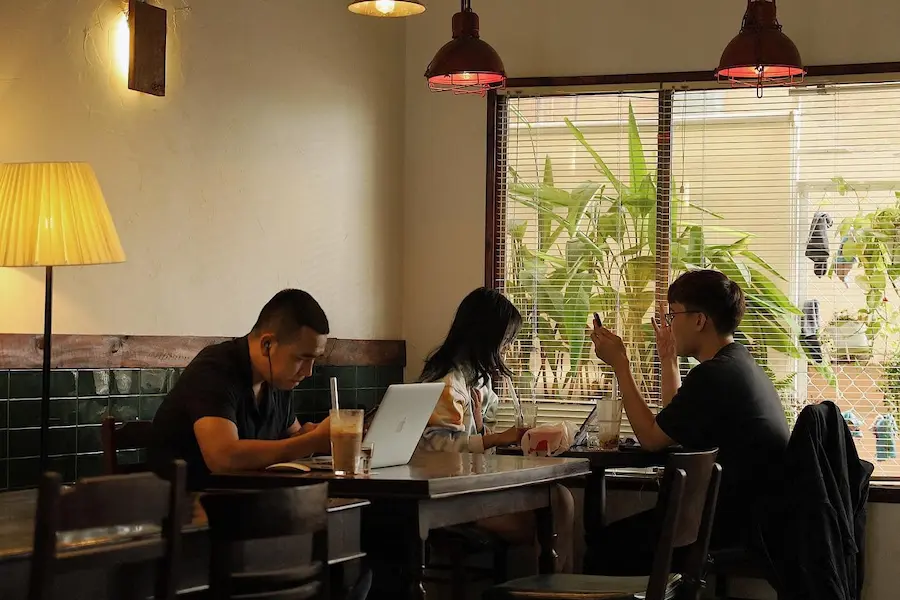
In Vietnam, coffee meetings are not casual fillers between “real” meetings. They are real meetings.
Invitations like “Let’s have coffee” often signal:
- A trust-building step
- A pre-negotiation discussion
- A relationship reset
The pace is intentionally slow. Drip coffee encourages conversation, not urgency. Jumping straight into presentations or proposals during these moments can feel abrupt.
One of the most underestimated unspoken rules of Vietnam is that time spent informally often accelerates outcomes later.
For corporate travelers, accepting these invitations-without rushing them-demonstrates cultural fluency and patience, both highly valued traits.
Rule #5: Visibility Matters More Than Silent Politeness
Vietnamese culture does not reward passive waiting, especially in semi-formal environments.
In meetings, workshops, or site inspections, being quietly polite may be misinterpreted as disengagement. Participation, eye contact, and respectful verbal presence signal seriousness.
This does not mean dominating the room. It means being visibly present.
In MICE contexts, international delegates who wait silently for turns may find themselves unintentionally sidelined, while more assertive participants move discussions forward.
This unspoken rule of Vietnam applies across business interactions:
Engagement equals commitment. Silence equals uncertainty.
Rule #6: Logistics Are Flexible-Relationships Keep Them Working
Vietnam operates with impressive adaptability. Schedules adjust. Circumstances shift. Solutions emerge quickly-but usually through human networks rather than rigid systems.
In MICE execution, last-minute changes are not signs of poor planning. They are signs of a system that relies on real-time coordination and trust.
Corporate travelers who respond calmly, respectfully, and cooperatively during changes gain goodwill that often translates into better outcomes.
One of the quieter unspoken rules of Vietnam:
How you react matters more than what goes wrong.
This is why experienced local partners are invaluable-they navigate informal channels that formal processes cannot.
Rule #7: Group Harmony Outweighs Individual Preference
Vietnamese culture prioritizes collective comfort over personal expression.
In business settings, this means:
- Open disagreement is rare
- Consensus is built privately
- Individual opinions may be softened publicly
During incentive trips or executive programs, participants who insist strongly on personal preferences can unintentionally disrupt group dynamics.
This unspoken rule of Vietnam is critical for incentive travel design:
Programs succeed when they balance individual experience with collective flow.
Activities, dining formats, and social moments that encourage shared participation are often more impactful than highly customized individual experiences.
Rule #8: Respect Is Remembered Longer Than Transactions
Vietnam does not operate on tipping culture, aggressive upselling, or transactional courtesy. Yet respect-shown through tone, patience, and appreciation-is deeply remembered.
Small gestures matter:
- Thanking support staff by name
- Acknowledging effort during long days
- Showing cultural curiosity rather than judgment
These actions create reputational capital that outlasts any single event or deal.
Among the most enduring unspoken rules of Vietnam:
People remember how working with you felt.
In corporate and MICE environments, this often determines whether partners go the extra mile-or quietly do only what is required.
Why These Unspoken Rules Matter for MICE and Corporate Travel
Vietnam is not difficult to work in-but it demands cultural literacy.
For corporate travelers, planners, and decision-makers, understanding the unspoken rules of Vietnam reduces friction, minimizes risk, and enhances outcomes across:
- Executive meetings
- Incentive programs
- Conferences and exhibitions
- Long-term partnerships
This is why many organizations choose a vietnam local tour package specifically structured for corporate and MICE contexts-one that integrates cultural navigation, stakeholder management, and on-ground flexibility alongside logistics.
Vietnam rewards those who observe first, listen carefully, and adapt thoughtfully.
When you align with the country’s unspoken systems, business flows more smoothly-and relationships deepen beyond contracts.