
Vietnam is no longer just a destination you “visit.” It is increasingly a place you experience – through sound, movement, storytelling, and carefully designed cultural encounters that go far beyond ticking landmarks off a list. As global travelers shift their priorities from speed to substance, Vietnam is quietly redefining what meaningful travel looks like.
For travelers searching for new experiences in Vietnam, the change is unmistakable. The country is moving away from mass sightseeing toward immersive, curated journeys that emphasize context, emotion, and participation. This evolution is best navigated with insight from experienced vietnam local tour operators, who understand not only where to go, but how and when to experience each place in its most authentic form.
Over the past few years, a growing number of new experiences in Vietnam have emerged – experiences that blur the line between culture, performance, heritage, and modern creativity. They are not about doing more in less time. Instead, they invite travelers to slow down, engage their senses, and form deeper connections with Vietnam’s past and present.
Below are seven standout new experiences in Vietnam that capture this shift. Each one represents a different approach to storytelling, access, and immersion – and together, they paint a picture of where Vietnamese tourism is heading next
1. The Hanoi Heritage Train: Turning Rail Travel into Cultural Storytelling
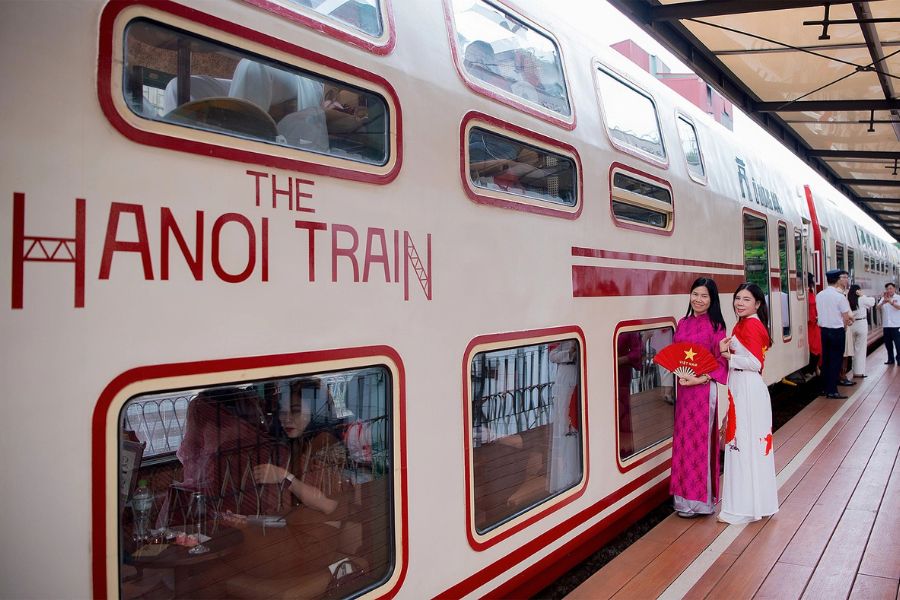
Among the most talked-about new experiences in Vietnam, the Hanoi Heritage Train is redefining what a train journey can be. This is not transportation; it is a moving cultural exhibition designed around nostalgia, history, and sensory engagement.
The train features double-deck, themed carriages, each inspired by different layers of Hanoi’s identity – from colonial-era design to traditional folk culture. As the train crosses the iconic Long Bien Bridge, passengers are treated to panoramic views of the Red River while live cultural elements unfold onboard. These may include Quan Ho folk singing, traditional décor, or hands-on craft demonstrations.
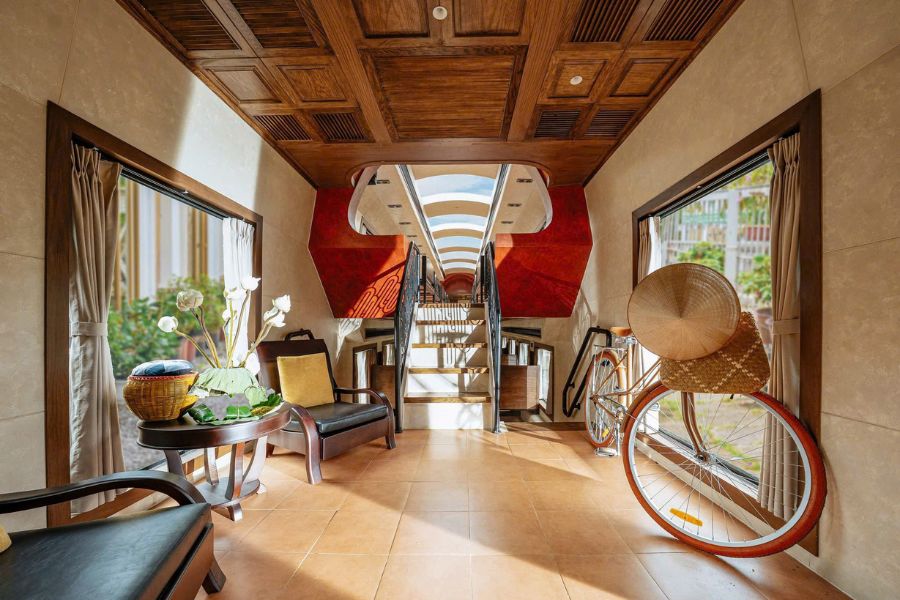
Some routes extend beyond Hanoi into nearby cultural regions such as Bac Ninh, where travelers step off the train to explore folk painting villages or participate in local culinary workshops. What makes this one of the most compelling new experiences in Vietnam is its rhythm: slow, intentional, and deeply atmospheric.
Rather than rushing through history, the Hanoi Heritage Train allows travelers to inhabit it – even if only for a few hours.
2. “The Sound of Tran Vu Bell” Night Tour at Quan Thanh Temple
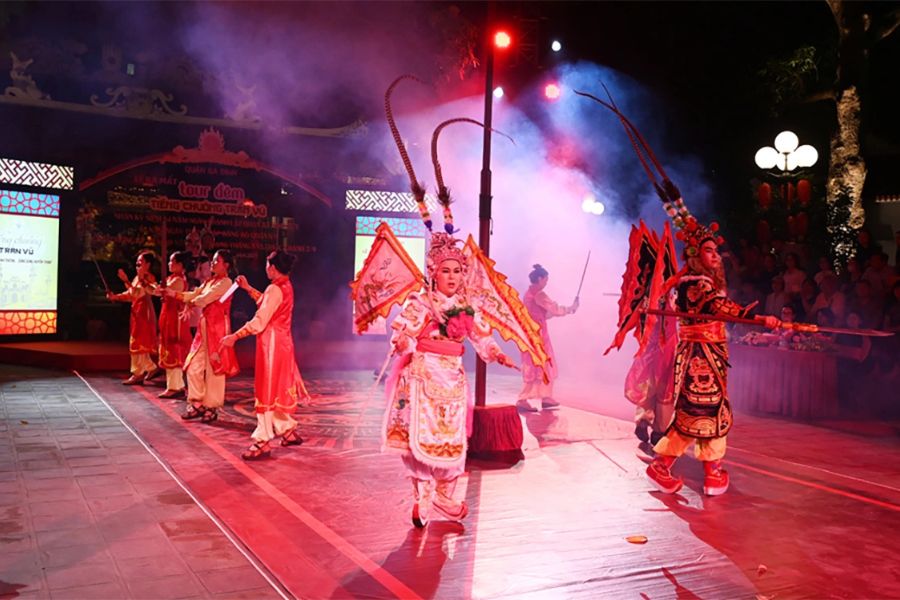
Hanoi after dark tells a different story, and the “Sound of Tran Vu Bell” night tour at Quan Thanh Temple is a perfect example of how new experiences in Vietnam are using time and atmosphere as narrative tools.
Instead of daytime crowds and quick explanations, this experience offers exclusive nighttime access to one of Hanoi’s most sacred temples. Carefully designed lighting, ritual-inspired performances, and guided storytelling transform the visit into a multisensory journey.
The slow echo of temple bells, traditional music, and theatrical narration lead visitors through layers of symbolism, legend, and spiritual meaning. History here is not delivered as facts, but as feeling – quiet, reflective, and immersive.
Among emerging new experiences in Vietnam, this night tour stands out because it reintroduces intimacy into heritage tourism, allowing visitors to connect emotionally with a familiar landmark in an unfamiliar way.
3. VR War History Experience at Vinh Moc Tunnels, Quang Tri
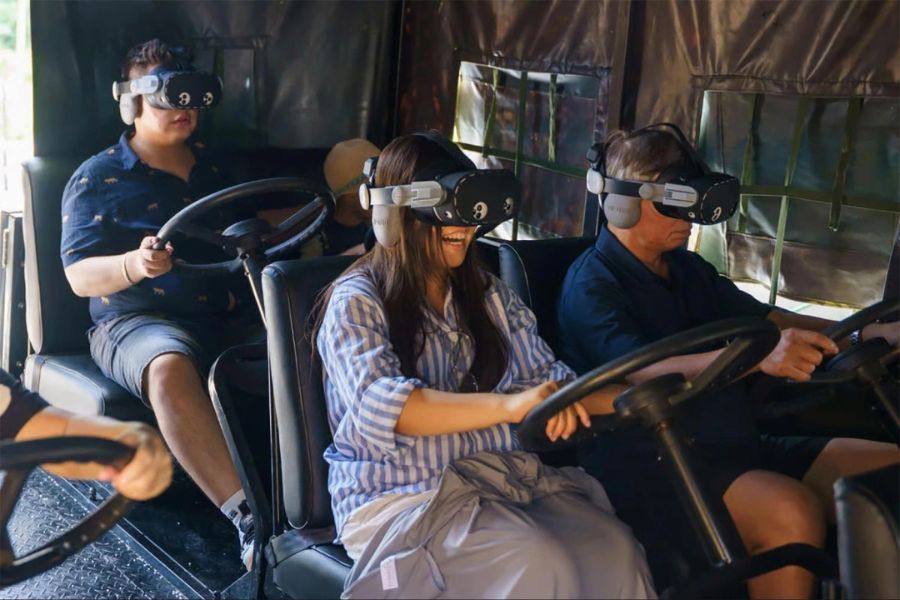
Vietnam’s war history is complex and deeply human, and one of the most thought-provoking new experiences in Vietnam approaches it through immersive technology rather than spectacle.
At the Vinh Moc Tunnels in Quang Tri, visitors combine physical exploration with virtual reality storytelling. After traveling in military-style vehicles, participants wear VR headsets that reconstruct historical environments based on real accounts of wartime life underground.
The emphasis here is understanding, not dramatization. The VR experience focuses on daily survival, resilience, and community rather than combat scenes. Guided narration provides historical context and emotional grounding, making the experience educational without being overwhelming.
This thoughtful integration of technology and heritage places the Vinh Moc VR program among the most meaningful new experiences in Vietnam, especially for travelers seeking depth and perspective.
4. Saigon Zoo Night Safari: Discovering Urban Wildlife After Dark
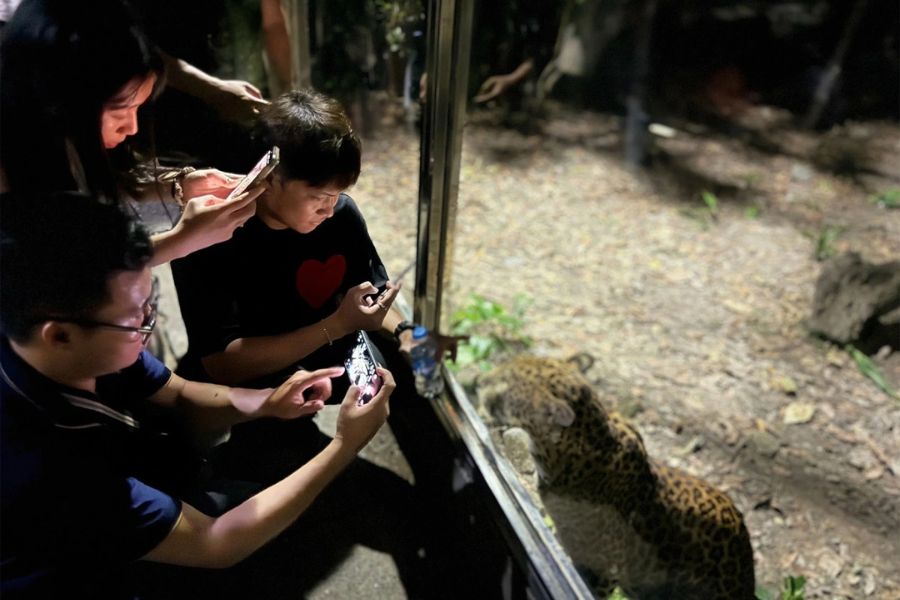
Ho Chi Minh City moves fast, but one of the most unexpected new experiences in Vietnam reveals a quieter, more contemplative side of urban life.
The Saigon Zoo Night Safari offers guided nighttime access when animals are naturally more active. With reduced lighting and small group sizes, visitors observe nocturnal behavior rarely seen during daytime visits. Guides focus on conservation, animal welfare, and the challenges of maintaining biodiversity in a rapidly growing city.
This experience feels calm, educational, and refreshingly uncommercial. It reframes the city not just as a human space, but as a shared environment.
Among urban-based new experiences in Vietnam, the night safari stands out for its ethical approach and its ability to slow travelers down in one of the country’s busiest cities.
5. 3D Mapping and Light Art Shows on Historic Architecture
Vietnam’s cities are increasingly becoming open-air cultural stages, thanks to large-scale 3D mapping and light art performances. These visually striking productions are some of the most accessible new experiences in Vietnam for modern travelers.
Using projection mapping technology, historic buildings transform into dynamic storytelling canvases. Vietnamese legends, historical milestones, and cultural motifs are reimagined through light, sound, and animation – usually as evening performances tied to festivals or special events.
Importantly, these shows do not replace heritage; they reinterpret it. By presenting traditional stories in a contemporary visual language, they attract younger audiences while preserving cultural meaning.
As part of the broader shift toward experience-driven tourism, these performances highlight how new experiences in Vietnam are bridging tradition and innovation.
6. The Co Yeu Revolutionary Bunker: Vietnam’s Intelligence Underground Revealed
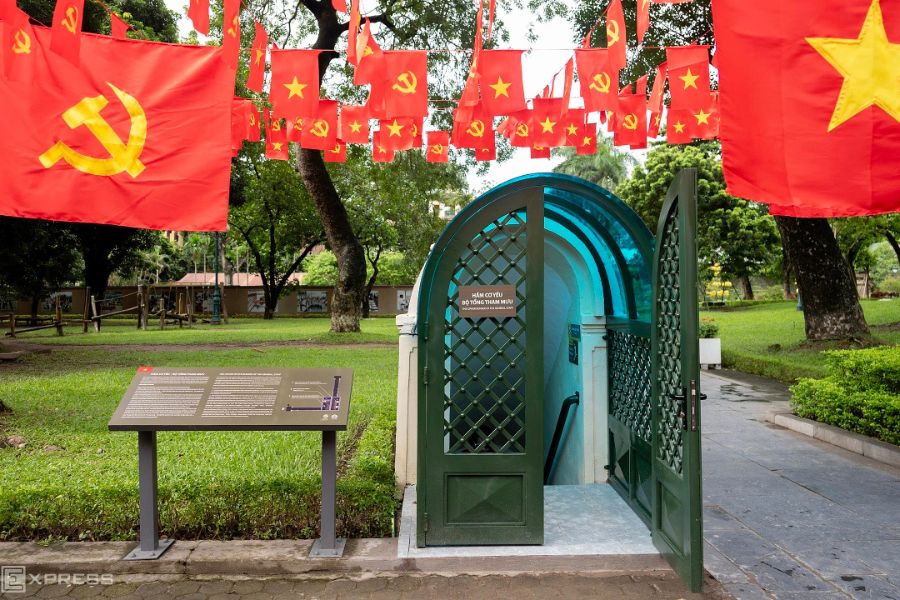
Hidden beneath central Hanoi, the Co Yeu Revolutionary Bunker is one of the most intriguing new experiences in Vietnam for travelers interested in lesser-known history.
Once a highly classified wartime intelligence center, the bunker has only recently opened to the public. Visitors descend into preserved rooms filled with original equipment, narrow corridors, and communication systems used to transmit encrypted messages under constant threat.
Guided tours explain the role of the Co Yeu sector in Vietnam’s intelligence network, offering insight rarely found in conventional museums. The atmosphere is raw, quiet, and intensely authentic.
What makes this one of the most compelling new experiences in Vietnam is the sense of discovery – stepping into a space that remained hidden for decades and understanding history from the inside out.
7. Sea Turtle Release Tours: Participating in Marine Conservation

Not all new experiences in Vietnam are urban or technological. Some of the most powerful are rooted in nature and responsibility.
Sea turtle release tours, offered in selected coastal conservation areas, allow travelers to actively participate in protecting endangered species. After learning about nesting cycles, environmental threats, and conservation efforts, participants help release baby turtles into the sea – often at sunrise or sunset.
The experience is quiet, emotional, and profoundly grounding. Travelers are not spectators; they are contributors to a real environmental initiative.
As far as new experiences in Vietnam go, this is one of the most meaningful for travelers seeking purpose-driven, responsible travel.
Why New Experiences in Vietnam Matter Now
What connects these experiences is a shared philosophy: travel should be participatory, not passive. Vietnam’s tourism evolution reflects a global shift away from mass sightseeing toward curated encounters that reward curiosity and attention.
Many of these new experiences in Vietnam require careful timing, cultural context, and local access – elements that are difficult to navigate independently. This is where knowledgeable local partners play a critical role, ensuring that experiences remain authentic rather than performative.
What This Means for Corporate & Incentive Travel
For companies and organizations, immersive travel in Vietnam offers:
-
Stronger emotional engagement
-
Better group bonding
-
Memorable shared experiences
-
Long-lasting impact beyond the trip itself
Vietnam is no longer just a destination – it’s a platform for meaningful experiences.
A New Way Forward for Vietnam Travel
Vietnam’s tourism landscape is clearly evolving. These new experiences in Vietnam signal a move toward depth, creativity, and emotional connection – qualities that resonate strongly with today’s travelers.
Whether it is crossing an iconic bridge on a cultural train, entering a temple after dark, or releasing sea turtles at dawn, Vietnam is offering experiences that linger long after the journey ends. This is no longer just travel for photos. It is travel for understanding, memory, and genuine connection.
For MICE and incentive groups, Vietnam offers immersive formats such as:
-
Cultural challenges rooted in local history
-
Traditional performance workshops
-
Heritage-inspired team activities
These experiences strengthen teamwork while embedding cultural meaning – far beyond standard team-building games.
And honestly? That’s exactly where smart destinations need to be heading.